ShiaLaBeoufFan
YOUR SOURCE FOR ACTOR, FILMMAKER AND ARTIST, SHIA LABEOUF!

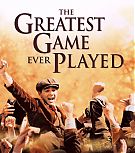
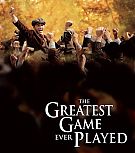
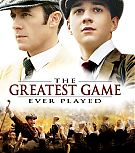
The Greatest Game Ever Played


Written by Siobhan on September 11 2026

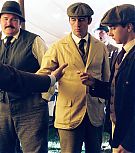
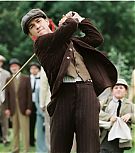
The Greatest Game Ever Played is a 2005 biographical sports drama directed by Bill Paxton and written by Mark Frost. Based on Frost’s book about the lives of golfers Francis Ouimet and Harry Vardon, the film centers on the 1913 U.S. Open and the remarkable rise of Ouimet, a young amateur player whose working-class background makes his presence in the tournament particularly extraordinary.


Shia LaBeouf stars as Francis Ouimet, a young golfer who develops an extraordinary talent for the sport despite coming from a working-class family. Francis works as a caddie at the exclusive Brookline Country Club, where he has the opportunity to observe some of the greatest golfers of his era. Although he dreams of competing himself, the social and financial barriers surrounding the sport make the possibility seem almost impossible.


Francis’s father, Arthur Ouimet (Elias Koteas), strongly disapproves of his son’s fascination with golf. Arthur considers the sport a pastime for wealthy men and wants Francis to pursue a more practical future. Francis nevertheless continues practicing whenever he can, using the knowledge he gains while working as a caddie to refine his own technique.


Francis’s admiration for Harry Vardon (Stephen Dillane), the celebrated British professional golfer and former U.S. Open champion, becomes another important part of his journey. Vardon represents the level of excellence Francis hopes to achieve, while his own working-class background gives the two men an unexpected connection despite the enormous differences in their circumstances.
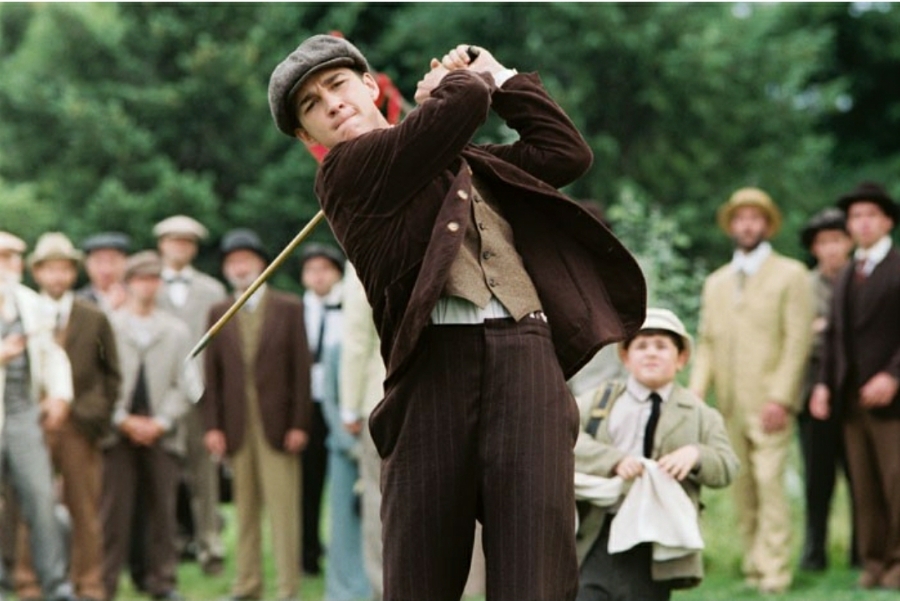


Francis eventually receives the opportunity to enter the 1913 U.S. Open as an amateur. His participation immediately attracts attention because he is not part of the wealthy social world traditionally associated with competitive golf. With little formal standing and few expectations placed upon him, Francis enters the tournament as an unlikely competitor against some of the most accomplished players in the world.


Among those competitors is Vardon, who arrives in the United States with a reputation as one of the greatest golfers of his generation. The tournament therefore becomes both a sporting contest and a meeting between two players whose paths have been shaped by very different circumstances. Francis’s admiration for Vardon gradually develops into mutual respect as the competition progresses.


Francis is accompanied by his young caddie, Eddie Lowery (Josh Flitter), whose enthusiasm and determination make him an important part of the story. Eddie’s support provides Francis with confidence during the tournament, while their relationship adds humor and warmth to the increasingly intense competition.


As the tournament continues, Francis faces enormous pressure from spectators, competitors, and members of the social establishment who doubt that an amateur from a working-class background belongs among the elite players. His father’s disapproval also weighs heavily on him, forcing Francis to decide how much he is willing to sacrifice in order to pursue the sport he loves.


The Greatest Game Ever Played builds toward the final rounds of the 1913 U.S. Open, where Francis finds himself competing directly against the players he once watched from the sidelines. The tournament becomes a test not only of his golfing ability but also of his composure, confidence, and willingness to believe that he belongs on the course.


The film explores themes of determination, class, family, ambition, sportsmanship, and perseverance. Francis’s success challenges the assumption that excellence belongs exclusively to those with wealth or social status. His story also emphasizes the importance of the people who encourage him, particularly Eddie and the supporters who recognize his ability when others refuse to take him seriously.


LaBeouf’s performance captures Francis as a determined but inexperienced young man gradually discovering his own confidence. His portrayal emphasizes Francis’s humility and sincerity rather than turning him into a conventional larger-than-life sports hero. As the tournament progresses, LaBeouf allows Francis’s growing confidence to emerge naturally, making his transformation from caddie to championship contender especially effective.


The film also gives considerable attention to the parallel story of Harry Vardon. Rather than presenting Vardon simply as Francis’s opponent, the story establishes him as another golfer who has struggled against expectations and social limitations. His respect for Francis becomes an important part of the film’s message about competition, recognizing that true greatness can emerge from unexpected places.


At its heart, The Greatest Game Ever Played is a story about an unlikely competitor refusing to accept the limitations placed upon him. Francis’s journey from a young caddie watching the game from the sidelines to a player standing among the world’s best makes the 1913 U.S. Open a defining moment in his life and an enduring story in the history of golf.
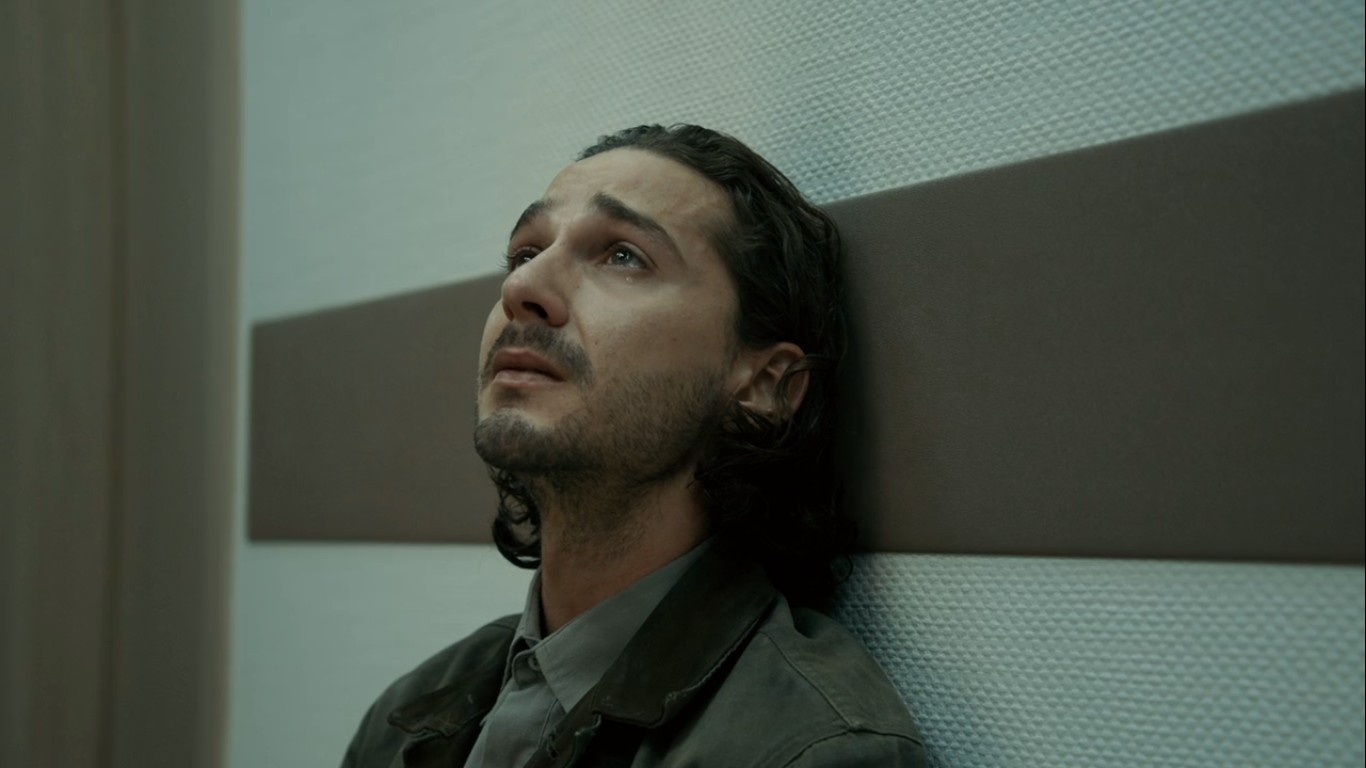
Charlie Countryman


Written by Siobhan on September 07 2026

Charlie Countryman is a 2013 romantic thriller directed by Fredrik Bond and written by Matt Drake. The film follows Charlie Countryman, a young American who travels to Bucharest after receiving an unexpected message from his recently deceased mother. What begins as a journey prompted by grief quickly develops into an unpredictable adventure involving romance, organized crime, and the mysterious people Charlie encounters in Romania.


Shia LaBeouf stars as Charlie Countryman, a restless young man who is still struggling with the death of his mother when her spirit appears to him and directs him toward Bucharest. Taking the message seriously, Charlie travels to Romania, where his life changes almost immediately after meeting a fellow passenger on the flight.


Charlie becomes acquainted with Victor Ibanescu, a Romanian man traveling home, and the two form an unexpected connection. When Victor dies during the journey, Charlie becomes involved in carrying out one final request on his behalf. This brings him into contact with Victor’s daughter, Gabi Ibanescu (Evan Rachel Wood), a talented musician whose complicated personal life quickly captures Charlie’s attention.


Charlie is immediately drawn to Gabi, but their attraction comes with considerable danger. Gabi’s former husband, Nigel (Mads Mikkelsen), is a violent and charismatic criminal who remains deeply possessive of her. Although their marriage has ended, Nigel continues to exercise an unsettling influence over Gabi’s life, making Charlie’s growing relationship with her increasingly dangerous.


Charlie quickly finds himself immersed in a world he barely understands. Bucharest becomes a strange and exhilarating landscape of nightclubs, music, violence, and criminal activity, while the people surrounding Gabi appear to operate according to rules very different from those Charlie has known at home. Despite the risks, he becomes increasingly determined to remain close to her.


His feelings for Gabi eventually place Charlie directly in conflict with Nigel. Rather than simply walking away from a dangerous situation, Charlie becomes convinced that he can protect Gabi and help free her from Nigel’s control. His determination repeatedly puts him in situations that are far beyond his experience, forcing him to rely on instinct, courage, and the unexpected assistance of people he meets along the way.


Charlie’s journey is also shaped by the presence of his deceased mother. Her appearances provide him with a connection to the life he has left behind while also encouraging him toward the experiences that await him in Romania. The supernatural elements of the story blend with the film’s romantic and criminal narrative, giving Charlie’s journey an unusual dreamlike quality.


As Charlie becomes more deeply involved with Gabi and her dangerous past, the distinction between adventure and genuine danger begins to disappear. His attempts to protect her bring him into contact with Nigel’s criminal associates and force him to confront violence that he initially seems completely unprepared to handle.


Charlie Countryman combines romance, crime, comedy, and supernatural elements while exploring themes of love, grief, courage, obsession, and personal transformation. Charlie begins his journey as a young man searching for direction, but his experiences in Bucharest force him to become more decisive and willing to take risks for someone he loves.


LaBeouf’s performance gives Charlie an energetic and unpredictable quality, balancing the character’s impulsiveness with a genuine sense of vulnerability. Charlie is frequently out of his depth, but his willingness to continue moving forward despite the danger becomes one of his defining characteristics. His relationship with Gabi provides the emotional center of the story, while his encounters with Nigel introduce the film’s darker and more dangerous elements.


The film’s Romanian setting is an important part of its identity, with Bucharest providing an atmospheric backdrop for Charlie’s increasingly surreal experiences. The city becomes almost another character in the story, reflecting the unfamiliar and unpredictable world Charlie has entered. Against this backdrop, his journey from grief-stricken traveler to determined protector unfolds through a mixture of romance, danger, humor, and adventure.


Ultimately, Charlie Countryman is a story about a young man who travels halfway around the world while searching for meaning after a personal loss and unexpectedly finds a reason to become invested in someone else’s life. Charlie’s relationship with Gabi gives him a new sense of purpose, while the dangers surrounding her force him to discover courage and determination he did not realize he possessed.

Honey Boy


Written by Siobhan on September 01 2026

Honey Boy is a 2019 drama directed by Alma Har’el and written by Shia LaBeouf. Inspired by LaBeouf’s own childhood and his experiences as a young actor, the film moves between two periods in the life of Otis Lort: his adolescence as a successful child performer and his adulthood, when his career and personal life have begun to unravel. The story examines the complicated relationship between Otis and his father while exploring the lasting effects of childhood trauma.


Shia LaBeouf stars as James Lort, Otis’s father and a former rodeo clown who becomes his son’s manager and constant companion. James is an unpredictable and complicated presence in Otis’s childhood, simultaneously expressing affection for his son while subjecting him to emotional volatility, manipulation, and abuse. His involvement in Otis’s career gives him considerable control over the boy’s life, blurring the boundaries between father, manager, and authority figure.


The story begins with adult Otis (Lucas Hedges), a successful actor whose struggles with alcohol and destructive behavior have led him to a court-ordered rehabilitation program. His counselor, Dr. Moreno (Laura San Giacomo), encourages him to examine the experiences that contributed to his present circumstances. Through memories and therapeutic exercises, Otis begins revisiting his childhood and the difficult relationship with his father that shaped much of his early life.


Young Otis (Noah Jupe) is already working professionally as a television actor when James becomes increasingly involved in managing his career. The boy spends long hours on sets while his father remains close by, supervising his work and relying on Otis’s income. Although James wants to remain an important part of his son’s life, his own instability and resentment frequently turn their relationship into a source of fear and tension.


James’s behavior is inconsistent, making it difficult for Otis to understand what kind of father he will encounter from one moment to the next. He can be affectionate and proud of his son’s accomplishments, but he can also become angry, controlling, and verbally abusive. Otis learns to anticipate his father’s moods while continuing to depend upon him for companionship and protection.


Outside the immediate relationship with his father, Otis finds moments of connection with people around him. His friendship with Shy Girl (FKA twigs), a young woman living near the motel where Otis and James stay, provides him with a glimpse of a more peaceful and supportive relationship. These experiences become increasingly important as Otis attempts to understand what a healthier life might look like.


The adult storyline gradually reveals how deeply Otis’s childhood experiences have affected him. Fame has given him professional success, but it has not erased the emotional damage of his upbringing. His substance abuse and increasingly destructive behavior become manifestations of unresolved trauma, forcing him to confront memories he has spent years attempting to suppress.


James remains central to Otis’s memories even as their relationship becomes increasingly painful to revisit. Adult Otis must confront not only the harm his father caused but also the complicated feelings of love, loyalty, anger, and disappointment that remain intertwined with those memories. The film avoids presenting their relationship as entirely simple, instead examining how a child can simultaneously love a parent and be deeply hurt by that parent.


Honey Boy explores themes of childhood trauma, family, addiction, fame, forgiveness, memory, and recovery. Its nonlinear structure allows past and present to continually inform one another, illustrating how experiences from childhood can remain present long after the circumstances themselves have changed. The film ultimately considers whether confronting painful memories can make it possible to understand them without allowing them to define the future.


LaBeouf’s performance as James is deliberately complex. Rather than portraying him as a one-dimensional villain, he presents a man whose affection for his son exists alongside destructive behavior and personal instability. James can be funny, charismatic, loving, and deeply unsettling, sometimes within the same scene. That contradiction makes his influence on Otis particularly powerful and helps explain why their relationship remains so difficult for Otis to understand.


The role also gives LaBeouf an unusual connection to the material, as James is a fictionalized version of his own father. Combined with his screenplay, the performance makes Honey Boy an especially personal entry in his filmography. The film ultimately transforms a story of a troubled father and son into a broader examination of memory, survival, and the possibility of finding a way forward without denying the past.

Page 1 of 41 2 3 4
Shia-LaBeouf-The-Greatest-Game-Ever-Played-Poster-0003.jpg
Shia-LaBeouf-The-Greatest-Game-Ever-Played-Poster-0001.jpg
Shia-LaBeouf-The-Greatest-Game-Ever-Played-Poster-0002.jpg
Shia-LaBeouf-The-Greatest-Game-Ever-Played-Stills-0015.jpg
Shia-LaBeouf-The-Greatest-Game-Ever-Played-Stills-0016.jpg
Shia-LaBeouf-The-Greatest-Game-Ever-Played-Stills-0013.jpg
Shia-LaBeouf-The-Greatest-Game-Ever-Played-Stills-0014.jpg
Shia-LaBeouf-The-Greatest-Game-Ever-Played-Stills-0012.jpg
Shia-LaBeouf-The-Greatest-Game-Ever-Played-Stills-0004.jpg
Shia-LaBeouf-The-Greatest-Game-Ever-Played-Stills-0005.jpg
Shia-LaBeouf-The-Greatest-Game-Ever-Played-Stills-0006.jpg